
(As an Amazon Associate I earn from qualifying purchases on any linked products below. This means I may receive a small commission if you buy through these links, at no extra cost to you.)
In my experience, the autumn products actually worth buying are primarily the ones that deal with the things that go wrong in every UK home once the heating goes back on and the windows stay shut; damp and condensation. My five picks are a hygrometer to tell you when humidity’s creeping up, a dehumidifier to bring it back down, moisture absorbers for the spots a dehumidifier can’t reach, a mould-removing gel for when damp’s already taken hold, and warm or adjustable bulbs to make the house feel cosier as it gets dark earlier.
Why these five, and not the usual autumn shopping list
Every year the same “autumn essentials” lists do the rounds; candles, blankets, draught excluders. Useful, but they don’t touch the actual problem that autumn creates in most homes: the heating goes on, the windows stay shut, and humidity has nowhere to go. That’s exactly when condensation, black mould and that damp, musty smell start creeping back in. These five are the ones I’ve actually been using in autumn (prices correct at time of publishing but may vary).
1. A hygrometer
Hygrometers are inexpensive little devices that measure relative humidity (and usually temperature too). Aim for around 40–60% humidity; mine reminds me when I need to ventilate or switch on the dehumidifier, rather than waiting until I can see condensation on the windows or smell damp in a cupboard. I use the Dryzone Hygrometer — it’s magnetic so it sticks straight to a radiator or any metal surface, and the little face icon on the display gives you an at-a-glance read on whether a room’s too damp. Currently rated 4.6 stars from 45 reviews, £19.99 for a pack of six, so there’s enough to cover the rooms that matter most (bathroom, bedrooms, any cupboard you’re worried about). See it on Amazon.
2. Warm-toned or adjustable bulbs
I like using warmer bulbs to make the house feel more inviting as the evenings get darker. Look for bulbs around 2,200–2,700K (Kelvin), which gives a warm, cosy light rather than the stark white a lot of standard LEDs default to. If you don’t want to commit to one fixed colour temperature, an adjustable bulb lets you dial it in room by room: I’ve been using these E27 adjustable LED bulbs, which switch between 3,000K warm white, 4,000K natural white and 6,000K daylight with a remote, so you’re not stuck with one setting all year. Currently rated 4.4 stars from 93 reviews, £13.99 for a pack of two. See them on Amazon.
3. A dehumidifier
This is the one that actually deals with the humidity a hygrometer tells you about. We set ours to around 50–55% — low enough to help control damp and condensation without making the air unnecessarily dry. It also makes a noticeable difference to how quickly washing dries indoors, which matters more once you can’t rely on an airer outside. I use a MeacoDry ABC 12L — it’s one of the best-known names in dehumidifiers for a reason, and this model has a laundry mode specifically for speeding up indoor drying. Currently rated 4.7 stars from 6,369 reviews, £149.95. It’s a bigger outlay than everything else on this list, but if condensation on the windows or a musty smell in one room is a recurring autumn problem, it’s the one purchase that actually fixes the cause rather than managing the symptoms. See it on Amazon.
4. Moisture absorbers
These collect moisture without electricity. I use them in small spaces such as cupboards and wardrobes where a dehumidifier isn’t practical — they’re also handy in the car, especially if you’ve ever had a foggy windscreen first thing on a cold morning. I’ve been using these reusable hanging moisture absorbers, which have a colour-change indicator so you know when they need recharging, rather than the disposable pots you throw away and replace every few weeks. Currently rated 4.5 stars from 57 reviews, £8.99 for a pack of two. See them on Amazon.
5. A mould-removing gel
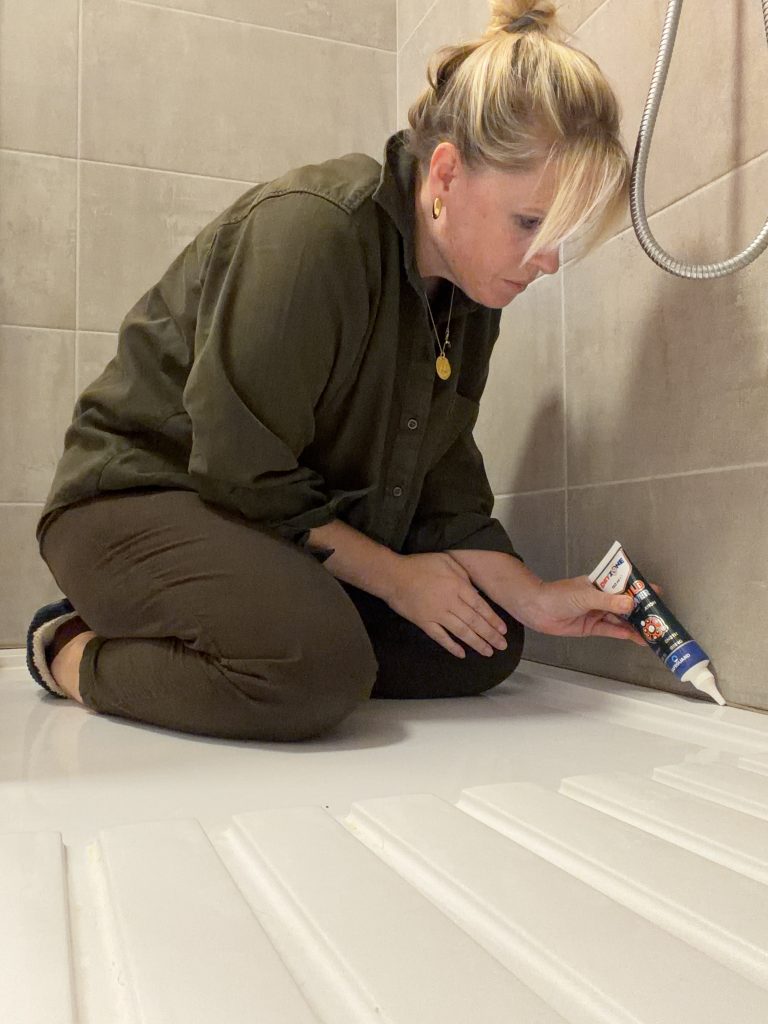
For when damp’s already had a chance to take hold. The gel clings to vertical surfaces, grout and sealant, giving it time to actually work on visible mould rather than sliding straight off the way a spray does. I’ve been loving the Dryzone Household Mould Remover Gel for those awkward bathroom patches that can be difficult to shift — it’s a genuinely new product from Safeguard Europe (the company behind the Dryzone range), so there isn’t a big review history yet, but it’s been two years in the making. £13.99, comes with a cloth. See it on Amazon.
Quick answers
What humidity level should I actually be aiming for at home?
Around 40–60% relative humidity is the general target for a healthy home. Below that and the air can feel uncomfortably dry; above it and you’re in the range where condensation and mould become much more likely. A hygrometer is an easy way to actually know where your rooms sit, rather than guessing from how the air feels.
Do I need a dehumidifier and moisture absorbers, or just one?
They do different jobs. A dehumidifier treats a whole room and is worth it if you’ve got a recurring damp or condensation problem somewhere you spend a lot of time. Moisture absorbers are for the smaller, enclosed spaces a dehumidifier can’t practically cover — a wardrobe, an understairs cupboard, the car — so most homes end up using both rather than choosing between them.
Will a mould gel work on mould that keeps coming back?
It’ll remove what’s visible, but if mould keeps returning in the same spot, treating it is only half the job — the humidity that’s feeding it needs sorting too. That’s really the point of pairing a gel like this with a hygrometer and a dehumidifier: one deals with what’s already there, the other two stop it coming back.
These are the same five I mentioned in a recent Instagram carousel — if you want more of these as they come up, they usually go out to my newsletter list first. It’s also worth reading Your Autumn Home Refresh alongside this one, which covers the other autumn buys (draught excluders, thermal curtains, heated throws) that these five don’t touch.
Want more tips like this straight to your inbox? Get the newsletter — subscribe here.