
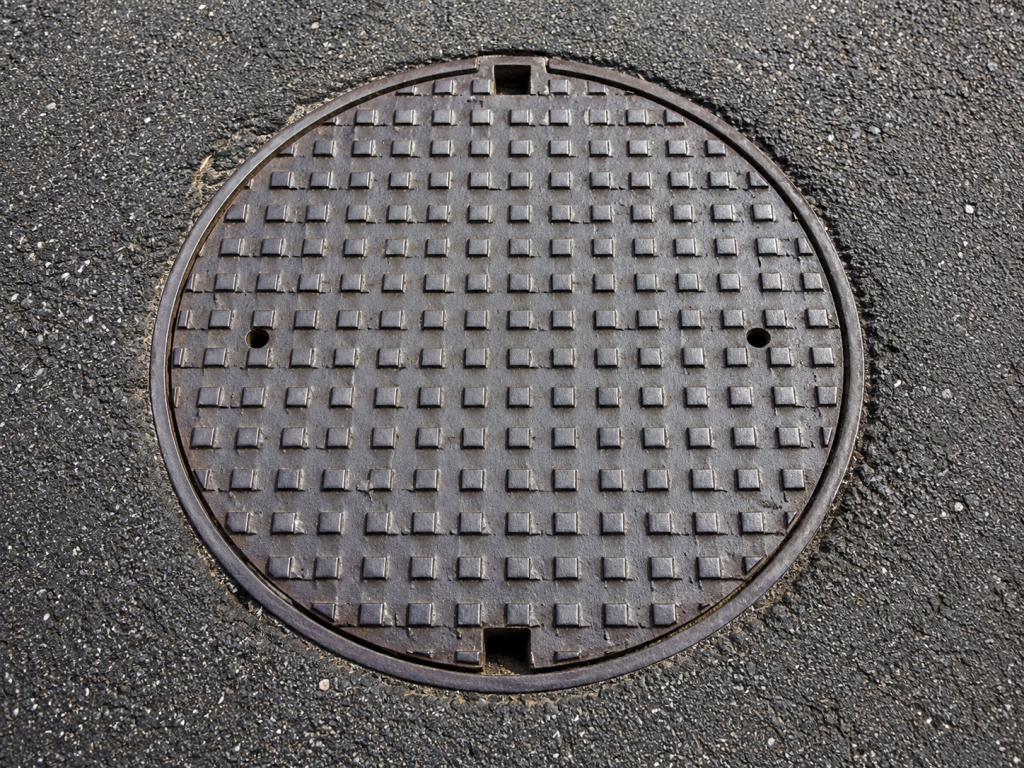
If you’re planning a house extension, one of the first problems you might discover is a drain or inspection chamber sitting exactly where your new foundations need to go in which case you’ll likley be wondering whether you can move a drain?
As we discovered, the good news is that most drains can be moved. The important part is understanding who owns the drain, what approvals you might need, and making sure the work is done correctly from the start.
In this guide, we’ll explain how drain diversions work, when you need permission, and the common mistakes homeowners make before building work begins.
🎥 Watch our drian moving experience video here: https://www.youtube.com/watch?v=nfAwA6L5UPg
Can you move a drain?
Yes. Drain relocation is extremely common during:
- House extensions
- Kitchen extensions
- Conservatories
- Garage conversions
- New patios
- Driveways
- Landscaping projects
The process depends on who owns the drain.
Private Drain or Public Sewer?
This is the question that determines everything else.
A private drain only carries wastewater from your property.
A public sewer carries waste from more than one property and is normally maintained by your local water company.
Many homeowners assume that because the drain is inside their garden, they own it. That isn’t always the case.
Before making any plans, it’s worth checking your property’s sewer records or arranging a drainage survey if you’re unsure.
Do you need permission?
If you’re altering a private drain serving only your property, approval is generally through Building Control to ensure the new drainage complies with Building Regulations.
If you’re building over or diverting a public sewer, you’ll usually need approval from your local water company – in our case Thames Water – before work starts.
Depending on the location and size of the sewer, this may involve a Build Over Agreement or a formal sewer diversion application.
Starting work without the necessary approvals can delay your project and may create issues when the property is sold in the future.
What is a Build Over Agreement?
A Build Over Agreement is permission from your local water company allowing you to build near or over a public sewer.
Its purpose is to make sure:
- the sewer remains accessible
- future repairs are possible
- your foundations won’t damage the pipe
Without one, you could experience problems obtaining Building Regulations completion or when selling your property later.
Can you move a manhole?
Yes. Moving a manhole is one of the most common drainage alterations during extensions. Depending on your project, builders may:
- relocate the inspection chamber
- install a new chamber outside the extension
- replace older chambers with modern plastic inspection chambers
- reroute the drainage run
Every project is different, so proper surveying is essential.
How much does it cost to move a drain?
The cost of moving a drain varies considerably depending on depth, access, distance moved, ground conditions and whether the pipe is private or public. Checkatrade figures from 2024 estimate the average cost of moving a drain for an extension at around £4,500, with more complex projects reaching £6,000 or more but figures vary by region and project complexity so this is a very rough guide.
How are drains actually moved?
Most homeowners imagine the entire drainage system being excavated and replaced. In reality, it’s often much simpler and we’ve shared some of it in our YouTube video.
Once the existing drainage layout has been established, the affected section is excavated, new pipework is installed to the correct gradient and connected back into the existing drainage system.
Inspection chambers are repositioned where required, and once everything has been tested, the trench is backfilled and reinstated.
The most important part isn’t moving the pipe—it’s ensuring the new drainage continues to perform correctly for decades afterwards.
Poor gradients, inadequate bedding or incorrect connections can all lead to future blockages and expensive repairs.
Building Regulations you need to know
Drainage work normally falls under Approved Document H (Drainage and Waste Disposal) of the Building Regulations in England and Wales.
Building Control will usually want to ensure:
- correct pipe gradients
- suitable bedding
- adequate access points
- proper ventilation
- watertight joints
- structural protection where needed
Compliance is essential to avoid future issues and achieve sign-off.
Common mistakes homeowners make
❌ Assuming every drain belongs to them
❌ Building over inspection chambers
❌ Not checking sewer maps
❌ Starting work before permissions
❌ Using inexperienced contractors
❌ Forgetting Building Control approval
These mistakes can delay projects and add unnecessary costs.
Frequently Asked Questions
Can I move my own drain?
If it’s a private drain serving only your property, usually yes, subject to Building Regulations and any necessary inspections.
Can I move a public sewer?
Not without approval from your local water company. Public sewers are protected infrastructure and usually require formal consent.
Can I build over a manhole?
Sometimes. Many older manholes are relocated outside the extension footprint during building work. Internal inspection chambers are generally avoided in new extensions unless specifically designed and approved.
Who pays to move a drain?
Normally the homeowner, unless the work is part of another utility project.
Final thoughts
Moving a drain isn’t unusual—in fact, it’s part of many successful extension projects across the UK. The key is identifying whether the drain is private or public, getting the right approvals where needed, and ensuring the work complies with Building Regulations.
Taking the proper steps at the start of your project can save you time, money, and stress later on.
If you’re planning an extension and have questions about moving drains or dealing with manholes, it’s worth speaking to a qualified drainage specialist or your local Building Control team before work begins.
Watch the full video
If you’d like to see the process explained in more detail, watch the full video here: